
Dental bridges in Ireland
Clear clinic prices for 3-unit, Maryland, cantilever and implant-supported bridges, 20% Form Med 2 tax relief worked out in full, and one Dental Council-registered clinic in your county (across Dublin, Cork, Galway, Kildare, Meath, Limerick and all 26 counties) to examine the gap and quote in writing.
Free, no obligation. One registered dental clinic in your county replies, not five.
- €1,440 to €2,640for a 3-unit bridge after 20% Med 2 tax relief
- €680 to €1,280for a Maryland front bridge after 20% relief
- 2 visitscompleted in 2 to 3 weeks with no surgery
- 2,330dentists in Ireland (CSO Census 2022)
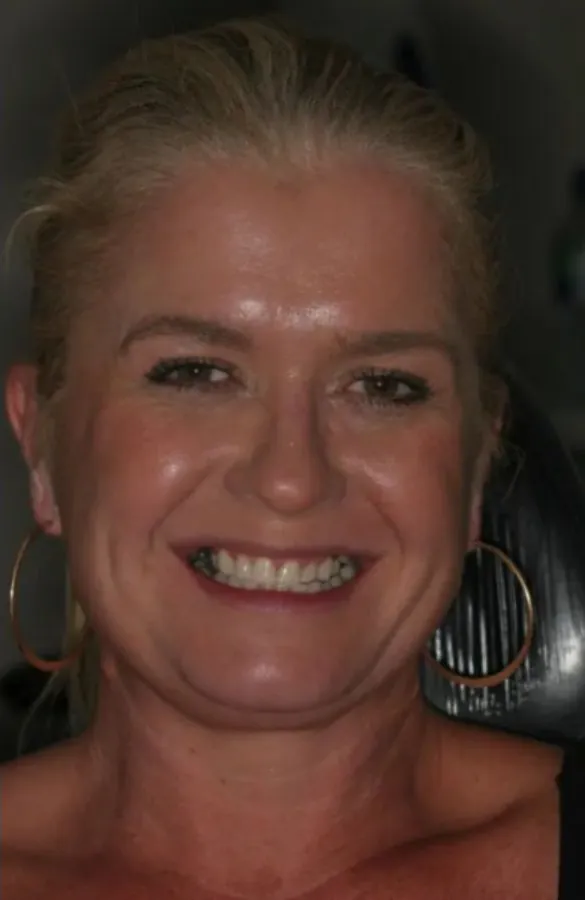
Before and after: missing teeth & gaps replaced seamlessly
A fixed ceramic or Maryland winged bridge replaces a missing tooth in two visits over 2 to 3 weeks — shade-matched to your neighbouring teeth with no implant surgery.





Every bridge type, material and tax rule explained
How each bridge works, how it compares with a dental implant, and how to claim 20% back.
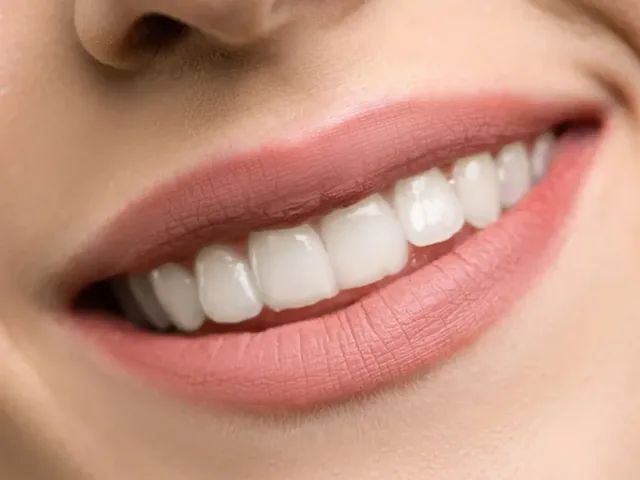 Dental bridge cost guide3-unit fixed bridge €1,800 to €3,300 (€1,440 to €2,640 after 20% Med 2), Maryland bridge €850 to €1,600, and per-unit fees.
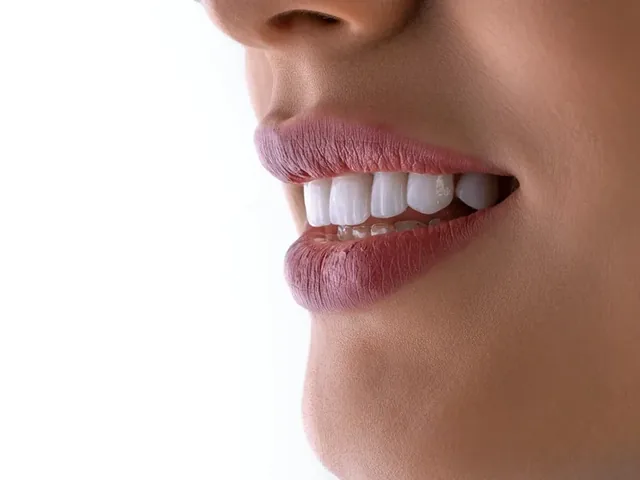 Maryland winged bridgesHow a resin-bonded Maryland bridge (€850 to €1,600, or €680 to €1,280 net) replaces a front tooth without drilling adjacent teeth.
 Dental bridge vs implant3-unit bridge (€1,800 to €3,300, 2 weeks) vs single dental implant (€2,000 to €2,800, 3–6 months) vs partial denture (€550 to €1,400).
 Zirconia vs PFM bridgesAll-ceramic monolithic zirconia and E.max bridges vs porcelain-fused-to-metal (PFM): strength, aesthetics and gum margins.
 Implant-supported bridgesReplacing 3 or 4 missing teeth in a row using 2 implants and a 3-unit zirconia bridge (€3,800 to €6,500, or €3,040 to €5,200 net).
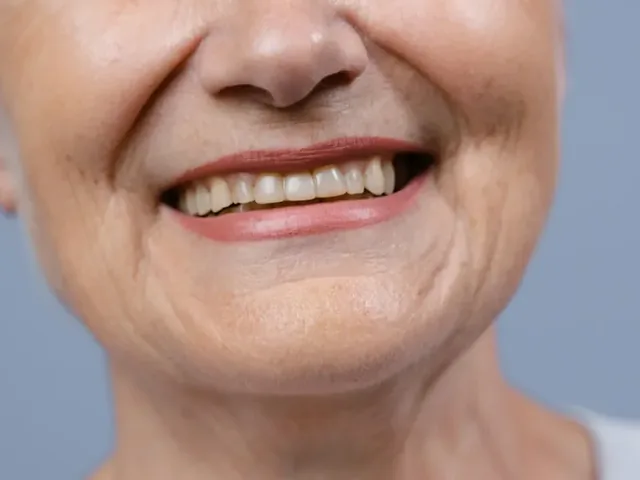 20% Form Med 2 tax reliefHow to claim 20% back on any dental bridge in Revenue myAccount, plus Medical Card (DTSS) and PRSI rules.
Three steps to replacing a missing tooth
- Price your bridge & 20% tax reliefUse the calculator below to compare a 3-unit fixed bridge, a Maryland winged bridge or an implant bridge before and after Form Med 2 tax relief.
- One registered clinic contacts youWe pass your enquiry to one Dental Council-registered dental clinic covering your county. Not a directory list, and not five clinics ringing you.
- X-ray, scan and written treatment planThe dentist checks the bone and roots of the neighbouring teeth, explains whether a bridge or implant suits best, and gives you the exact fee in writing before you start.
Calculate your dental bridge and 20% Med 2 tax relief
Pick the type of dental bridge, the ceramic or metal-porcelain material, and see your gross clinic fee alongside your net cost after 20% Form Med 2 tax relief.
Estimated cost guide
€1,680 to €2,640 after 20% relief
Clinic price: €2,100 to €3,300 · Form Med 2 refund: €420 to €660
Revenue explicitly lists all bridgework (enamel-retained Maryland bridges, tooth-supported fixed bridges and implant-supported bridges) as qualifying non-routine dental treatment on Form Med 2. On a 3-unit fixed bridge (replacing 1 missing tooth, anchored on 2 adjacent teeth) in all-ceramic zirconia / e-max (€2,100 to €3,300 at the clinic), claiming 20% back in Revenue myAccount brings your net cost to €1,680 to €2,640.
Ask a local clinic for a priceGet a dental bridge price from one local clinic
Pick the bridge type, where things stand and your county. Your enquiry goes to one Dental Council-registered dental clinic covering your county to arrange an X-ray and written treatment plan.
Dental bridges guides & price breakdowns
Straight answers to what people ask most: itemised costs, specifications, planning or grants, and what to check before you book.
More guides & resources: All guides & calculator hub · Technical & trade glossary · Frequently asked questions · All areas covered · About this site
Common questions before you book
How much does a dental bridge cost in Ireland?
A traditional 3-unit fixed bridge (replacing one missing tooth, anchored on the two teeth either side) costs €1,800 to €3,300 at the clinic — or €1,440 to €2,640 after claiming 20% Form Med 2 tax relief. A minimally invasive Maryland (resin-bonded winged) bridge for a front tooth costs €850 to €1,600 (€680 to €1,280 after 20% relief), and a 4-unit bridge replacing two missing teeth costs €2,400 to €4,400 (€1,920 to €3,520 after 20% relief).
Can I claim 20% tax relief on a dental bridge in Ireland?
Yes. Revenue's Form Med 2 explicitly lists all bridgework — both enamel-retained (Maryland) bridges and tooth-supported or implant-supported fixed bridges — as qualifying non-routine dental treatment. Your dental clinic signs Form Med 2 when you pay, and you claim 20% back through Revenue myAccount.
What is the difference between a traditional bridge and a Maryland bridge?
A traditional 3-unit bridge (€1,800 to €3,300) shapes the two teeth on either side of the gap for crowns and fuses a false tooth (pontic) between them. A Maryland bridge (€850 to €1,600) uses a thin metal or zirconia 'wing' bonded with high-strength resin to the hidden back surface of an adjacent front tooth — leaving the front of your neighbouring tooth untouched.
Is a dental bridge better than a dental implant?
Both cost a similar amount for a single missing tooth (€1,800 to €3,300 for a 3-unit bridge vs €2,000 to €2,800 for a single implant and crown). A dental bridge is much faster (finished in 2 to 3 weeks without surgery or bone grafting) and is ideal when the neighbouring teeth already have large fillings or need crowns anyway. A dental implant is usually preferred when the teeth either side of the gap are completely untouched and healthy.
Does the Medical Card or PRSI cover a dental bridge?
No. The HSE Medical Card (DTSS) covers removable acrylic partial dentures for missing teeth, not fixed bridges or crowns. PRSI Treatment Benefit covers your annual dental exam and €50 towards a scale and polish. Private dental insurance policies with restorative cover often pay 50% to 70% towards a bridge up to an annual cap.
How long does a dental bridge last?
A well-fitted zirconia or porcelain-fused-to-metal fixed bridge typically lasts 10 to 15+ years with daily cleaning under the false tooth (using Superfloss or interdental brushes) and regular dental check-ups.
Will I have a visible gap while waiting for the dental lab to make my bridge?
Never — at the end of your first preparation appointment, your dentist fits a custom tooth-coloured temporary bridge (or you wear your existing clip-in flipper for a Maryland bridge) for the 10 to 14 days while the master technician crafts your permanent bridge.
How soon after a tooth extraction can a fixed dental bridge be fitted?
A temporary bridge or Maryland bridge can be placed on the very same day a tooth is extracted so you never go with a gap. Because the gum bone shrinks and remodels as it heals, the final permanent bridge is normally scanned 8 to 12 weeks after extraction so the pontic sits snug against the healed gumline.
Does a Maryland bridge stay on securely, or can it debond?
Modern single-wing zirconia and E.max Maryland bridges sandblasted and bonded to enamel with MDP resin cement have a 90%+ 10-year survival rate on front lateral incisors. If a wing ever loosens after a knock, the intact bridge can usually be cleaned and re-bonded in a single 20-minute visit without harming the tooth.
Can I get a fixed dental bridge if the teeth beside the gap already have root canals or large fillings?
Yes — in fact, if the neighbouring teeth already have heavy fillings or root canal treatment and need protective crowns anyway, a 3-unit fixed bridge is often the smartest clinical and financial choice because it crowns and protects those teeth while replacing the missing tooth at the same time.
How do I claim my 20% Med 2 tax refund from Revenue?
Once your bridge is cemented and paid for, the clinic hands you a signed Form Med 2. You simply log into Revenue myAccount -> Manage My Record -> Claim Health Expenses, enter the non-routine dental figure, and Revenue transfers 20% straight to your bank account.
Can a dental bridge replace two missing teeth in a row?
Yes — a 4-unit fixed bridge can span two adjacent missing teeth provided the supporting abutment teeth on either side have strong root surface area and healthy bone support, or two dental implants can support a 3- or 4-unit implant bridge.
Which counties have the most and fewest dentists per head?
On CSO Census 2022 figures, Cork (1,693 residents per dentist) and Dublin (1,715) have the most dentists per head, while Monaghan (8,161 residents per dentist) has the tightest ratio.
Do dental bridge prices vary by county?
General dental practices outside the main cities often sit toward the lower half of our guide (€1,800 to €3,300 for a 3-unit bridge, or €1,440 to €2,640 after 20% Med 2 relief), while specialist prosthodontists in Dublin, Cork, Galway and Limerick sit toward the upper half for complex multi-unit zirconia and implant bridges.
Is the temporary bridge included in the dental bridge price?
Yes. While the dental laboratory fabricates your permanent zirconia or porcelain bridge (which takes 10 to 14 days), the dentist fits a tooth-coloured acrylic temporary bridge at your preparation appointment so you never walk out with a visible gap. See dental bridge cost in ireland →
How much does it cost to re-cement a dental bridge that has come loose?
If your existing dental bridge comes off in one piece and the supporting teeth underneath are still healthy and free of decay, cleaning and re-cementing the bridge usually costs €90 to €180 in a single short visit. See dental bridge cost in ireland →
Can a family member claim the 20% Med 2 tax relief if they pay for my dental bridge?
Yes. Under Revenue rules, you can claim 20% Health Expenses tax relief on qualifying non-routine dental treatment that you pay for yourself, your spouse/civil partner, your children, or any relative/individual for whom you actually paid the dental clinic bill. See dental bridge tax relief (med 2), medical card and prsi rules →
What if I don't pay enough PAYE income tax in the year to use the full 20% refund?
Med 2 tax relief is a non-refundable tax credit at 20%, so you can only get back up to the amount of income tax you paid in that tax year. If a household partner pays PAYE tax at 20% or 40%, having the taxpayer pay the dental bill and claim it in their myAccount ensures the full 20% refund is received. See dental bridge tax relief (med 2), medical card and prsi rules →
Can I get a dental bridge now and switch to an implant in 10 years?
With a Maryland winged bridge, yes — because the adjacent teeth were not drilled down, the wing can be removed later if you ever choose an implant (though a small bone graft may be needed if the ridge has thinned). Once teeth are shaped down for a traditional 3-unit bridge, those teeth will always need crowns. See dental bridge vs dental implant in ireland →
Do both dental bridges and dental implants qualify for 20% Form Med 2 tax relief?
Yes. Both bridgework and dental implants (including any bone grafting and the implant crown) qualify for 20% income tax relief on Revenue's Form Med 2. See dental bridge vs dental implant in ireland →
Can a single dental implant be joined to a natural tooth in one bridge?
Dentists strongly avoid joining a rigid implant (which is fused directly to bone) to a natural tooth (which has a flexible periodontal ligament that moves slightly when you bite), as the difference in movement can loosen the natural tooth crown. Bridges are either supported by natural teeth only or by implants only. See implant-supported bridges in ireland →
Does the entire implant-supported bridge qualify for 20% Form Med 2 tax relief?
Yes. Both the surgical placement of the dental implants and the 3-unit bridge restoration on top qualify for 20% non-routine dental tax relief on Form Med 2. See implant-supported bridges in ireland →
Does the metal wing on a Maryland bridge show through my front tooth?
On very thin, translucent front teeth, a silver cobalt-chrome wing can sometimes cast a faint greyish shadow. To avoid that, dentists either use an opaque masking resin cement or make the wing from high-strength white zirconia ceramic instead of metal. See maryland bridges in ireland →
Does a Maryland bridge qualify for 20% Form Med 2 tax relief?
Yes. Revenue's Form Med 2 explicitly states 'Bridgework (enamel-retained or tooth-supported)', which covers Maryland resin-bonded bridges in full for 20% tax relief. See maryland bridges in ireland →
Can an old PFM bridge with a dark grey line at the gum be replaced with zirconia?
Yes. Replacing an older porcelain-fused-to-metal bridge that has developed a visible dark margin at the gumline is one of the most common reasons patients upgrade to an all-ceramic zirconia or E.max bridge. See zirconia & e.max all-ceramic vs pfm dental bridges →
Is zirconia safe if I grind my teeth at night (bruxism)?
Zirconia is the strongest dental ceramic available for patients who clench or grind. Your dentist will polish the biting surface to a mirror finish so it does not wear the opposing natural teeth, and will recommend a protective nightguard. See zirconia & e.max all-ceramic vs pfm dental bridges →
What should I know about an independent guide when you send an enquiry, we pass it with your consent to one dental council-registered dental clinic covering your county. they examine the tooth gap and neighbouring teeth, take an x-ray, give you a written treatment plan and fee, and carry out the treatment. how our price guide works?
Our price guide shows typical Irish private dental fee ranges (€1,800 to €3,300 for a 3-unit fixed bridge, €850 to €1,600 for a Maryland winged bridge, €1,300 to €2,400 for a 2-unit cantilever bridge, €2,400 to €4,400 for a 4-unit bridge, and €3,800 to €6,500 for a 3-unit implant-supported bridge), alongside the 20% non-routine dental tax relief available on Revenue's Form Med 2. Your exact fee always comes in writing from the treating dentist after an X-ray. Read more in About Dental Bridges Ireland.
What should I know about county figures?
County population and dentist figures are our sums from CSO Census 2022 tables F1003, F1015 and F7042 (2215 Dental practitioners). Read more in About Dental Bridges Ireland.
What should I know about contact?
Email hello@dentalbridge.ie . If you spot a figure that needs updating, let us know and we will check it. Read more in About Dental Bridges Ireland.
What should I know about get a dental bridge price from one local clinic?
Pick the bridge type, where things stand and your county. Your enquiry goes to one Dental Council-registered dental clinic covering your county to arrange an X-ray and written treatment plan. Read more in About Dental Bridges Ireland.
Dental bridges across all 26 counties
Requests from all 26 counties go to one vetted local specialist who covers your county — from Dublin, Cork, Galway and Limerick to Kildare, Meath, Wicklow, Waterford and Donegal. Pick your county below for local prices, specifications and advice. Compare all areas covered →
Want a written price for a dental bridge?
One Dental Council-registered clinic covering your county contacts you. Nothing is booked until you have an X-ray and a written treatment plan.